Learn to Paint: Watercolor & Oil Tutorials for Beginners and Beyond
Do you want to learn how to paint?
This is the place - Art by Carol May offers free step-by-step watercolor and oil painting lessons for beginners and artists with some experience. Learn the fundamentals, follow a tutorial, and grow your skills with guidance from award-winning artist Carol May.
If you’re brand new, start with the Beginner’s Guide. If you already paint, browse the tutorials and choose your next project.
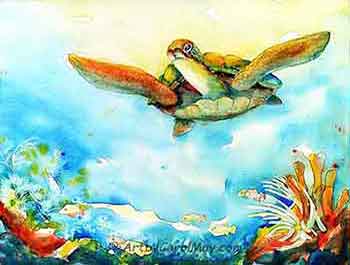 You can paint wonderful art!
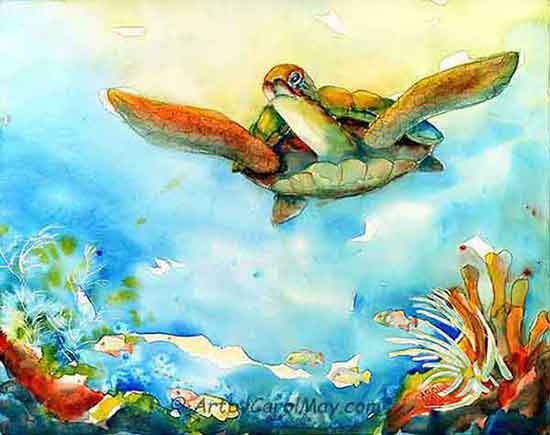 You can paint wonderful art!
Choose Your Starting Point
Whether you are brand-new and ready to learn, or looking for a full project - there is something for everyone.
Let’s turn your creative potential into paintings you’ll be proud of.
New to Painting?
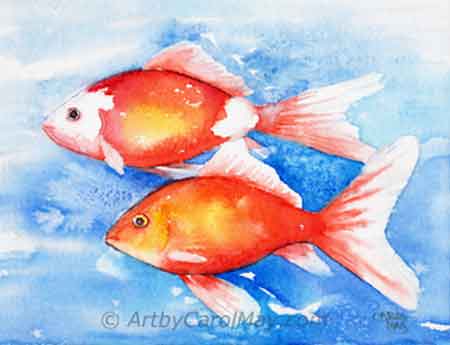
Start with the friendly beginners guide. You’ll learn what supplies you need, how to choose a medium, the basics of value, color, composition, and which tutorial to paint first.
Ready for a Full Tutorial?
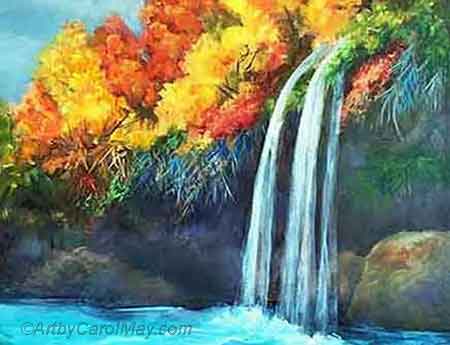
Choose a step-by-step watercolor or oil painting project and paint along from start to finish. Pick from animals, flowers, butterflies, landscapes, ocean scenes, and more.
The Fundamentals Create Good Art
Strong paintings are built on a few important basics: composition with a focal point, color, and values. Learn the "Big Three" fundamentals and every painting you create will improve.
The Basics of Good Art
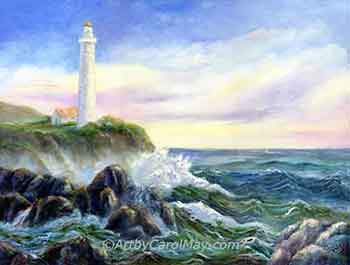 Create with the "Big Three".
When you are learning to paint, it helps to focus on just a few important ideas first.
Using my painting as an example, I show how composition, color, and values were used in the painting.
Included is a simple checklist you can use for evaluating your own paintings.
The Basics of Good Art
When you are learning to paint, it helps to focus on just a few important ideas first.
Using my painting as an example, I show how composition, color, and values were used in the painting.
Included is a simple checklist you can use for evaluating your own paintings.
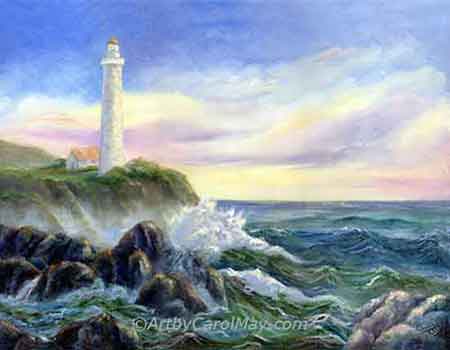 Create with the "Big Three".
Want to strengthen one skill at a time? Start with one of these core painting fundamentals.
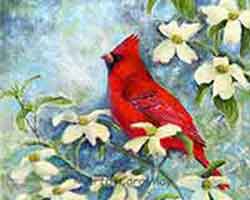
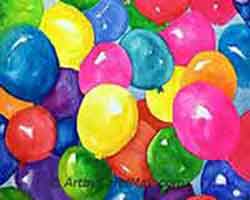
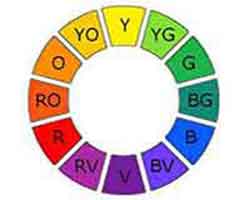
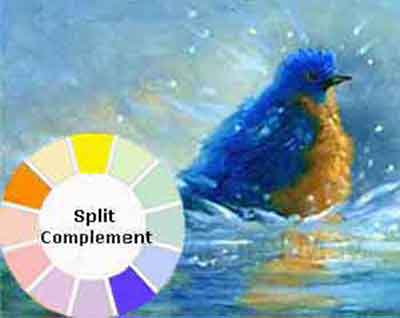
In the beginning get a general understanding of the fundamentals.
Then, when you start painting the tutorials, you'll find they are seamlessly incorporated into the lessons to streamline your learning.
Learn Painting: Oil & Watercolor Tutorials
Painting the step-by-step tutorials is a great way to learn while you paint.
They cover everything from choosing materials to mastering fundamental skills like color mixing, composition, and painting with values.
Each tutorial walks you through a complete painting with photos, materials, clear steps, and helpful tips. Choose one and paint along at your own pace.
Browse all step-by-step painting tutorials in oil and watercolor.
Popular Tutorials
These reader favorites are a great way to practice while creating something beautiful. Choose a subject you enjoy and follow the lesson step by step.
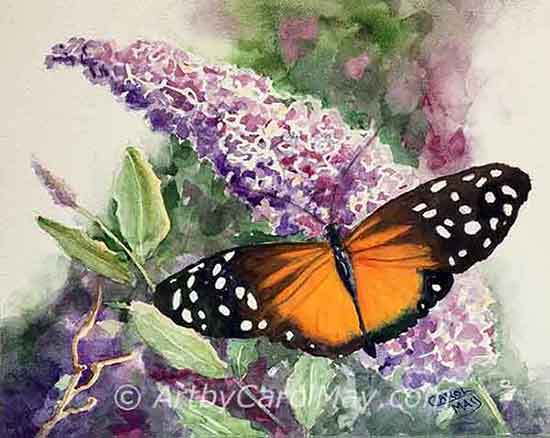
How to Paint a Butterfly: Paint delicate wings, patterns, and vibrant color contrasts.
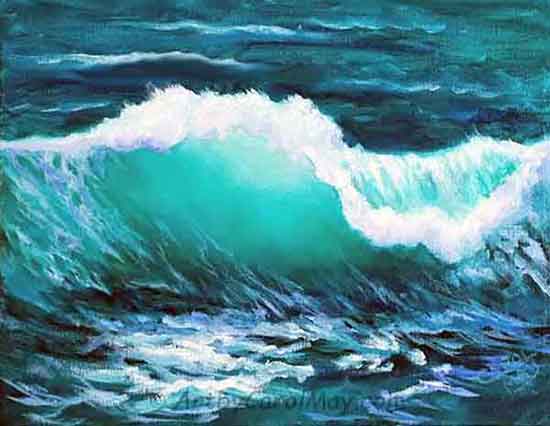
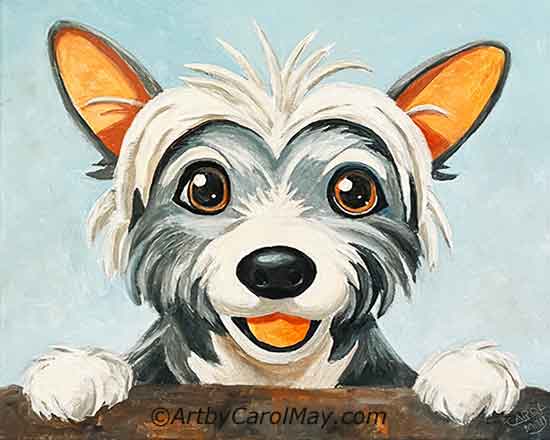
How to paint a dog on canvas: Easy steps for beginners using only three oil paint colors.
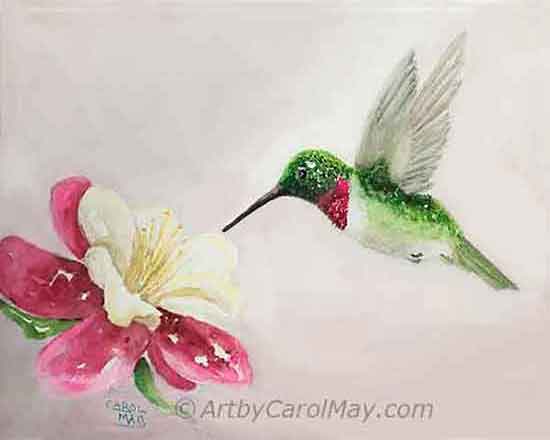
Watercolor Hummingbird Tutorial: Paint a Ruby-throated Hummingbird with beginner techniques.
Ready to pick up the brush? Choose your medium and follow along.
Oil Painting Tutorials
Learn blending, layering, and strong values with these step-by-step oil painting projects. Many are also suitable for acrylic painters.

Paint Watercolor Step-by-Step
Enjoy the beauty of transparent color while learning watercolor techniques step by step. These tutorials are beginner-friendly and easy to follow.
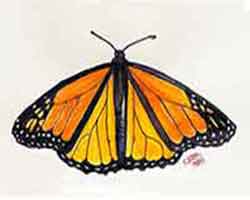
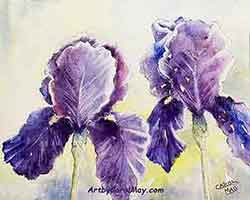
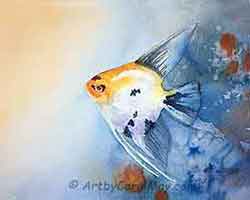
Learn with Award-Winning Artist Carol May
Meet the artist and see my paintings. Learning how to paint is full of discovery, creativity, and joy!
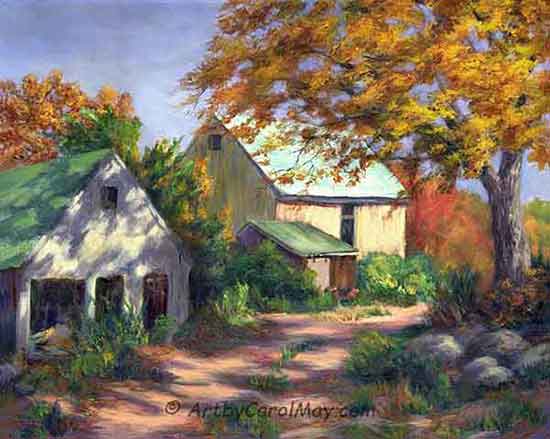 "Country Barns"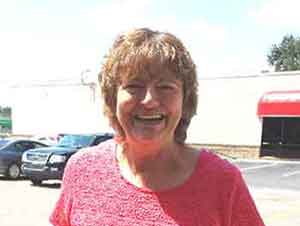
Painting has been my passion for more than 40 years.
My work has earned multiple Best of Show awards, and I created Art by Carol May to share the joy of painting through free, step-by-step lessons for beginning and growing artists.
Painting Inspiration from the Studio
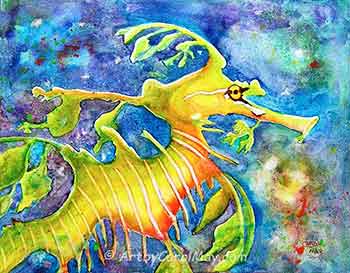
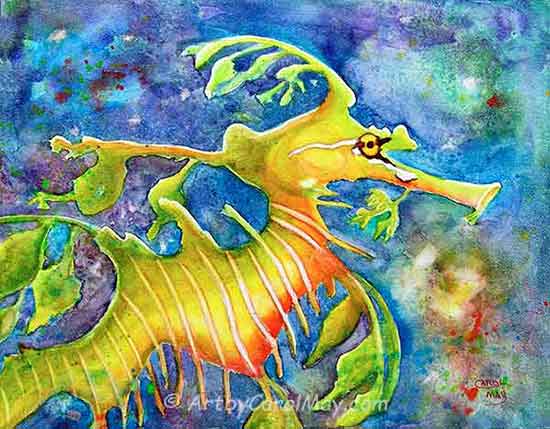
Need inspiration for your next painting? Browse finished watercolor and oil paintings to spark ideas, study subjects you love, and see what’s possible as your skills grow.
Frequently Asked Questions
A blank canvas is waiting to come alive with your stories and creativity. A world of possibilities comes with each stroke of color.
Should I Start with Oil, Alkyd, Watercolor, or Acrylic Paint?
Should I Start with Oil, Alkyd, Watercolor, or Acrylic Paint?
Oil is the classic, historical paint. It gives the artist time to blend and work the paint before it dries.
Alkyd is the modern oil paint that dries much faster with the same beauty and richness as oils.
Watercolor is often used for light, intricate works. Once their techniques are learned they make wonderful paintings.
Acrylic paint is fast drying and popular with beginning artists.
Compare the four popular paints by: best colors, ease of use and expense.
Can I Start Painting on a Budget?
Can I Start Painting on a Budget?
Certainly, we don't have to spend a bundle to get into painting. Basically, we need paint, a couple of brushes and something to paint on.
What Should I Paint?
What Should I Paint?
Paint what you see in your environment. It's easier to paint things you are familiar with, things you know.
Painting is an avenue of self-expression. That's the joy of painting!
How Long Does It Take to Get Good at Painting?
How Long Does It Take to Get Good at Painting?
It all depends on how much time you put in on painting. The more you paint, the better you get.
A long painting session once a month is not profitable as short, frequent painting sessions. You can speed up your learning curve by painting daily.
How Do I Develop My Own Style?
How Do I Develop My Own Style?
When you start painting don't be concerned about doing any specific style.
Practice painting some of the different tutorials. As you paint, your own painting style will emerge from what you enjoy the most.
How Do I Prepare a Canvas for Painting?
How Do I Prepare a Canvas for Painting?
Raw (unprimed) canvas is generally painted with three coats of acrylic gesso.
Get ready to paint canvases - that are already prepared. They are readily available at all art stores. Our time is better spent painting art - not gesso.
What Is the Most Common Beginner Mistake?
What Is the Most Common Beginner Mistake?
It's easy for any artist - not just beginners to get so caught up in painting beautiful colors - that we ignore values (the light and darkness of colors).
Values are the backbone of good artwork. It's easy to master values in painting.
Immerse Yourself in the Joys of Painting!
Stepping into the world of painting is an enriching journey full of creativity and joy.
Get your supplies, select a subject and learn to paint with each brushstroke. The possibilities are as unlimited as your imagination!
Recent Articles


-
Paint a Fun Dog
Oct 02, 26 12:00 PM
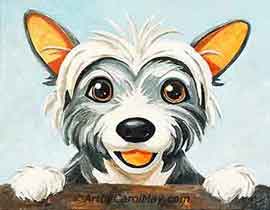 It's easy to paint this fun dog on canvas. This is a great way for beginners to start using oil paint. Follow the easy steps that use only three colors to paint this puppy dog. You can learn and use p…
 -
The Big Three
Sep 18, 26 12:00 PM
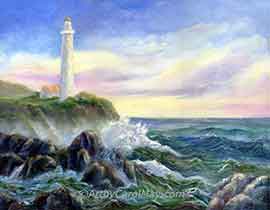 You can create good art using the big three painting fundamentals. Learn how to paint good art with good composition including a focal point, values and color choices. Use these three important fundam…
 -
Design Paintings
Sep 04, 26 12:00 PM
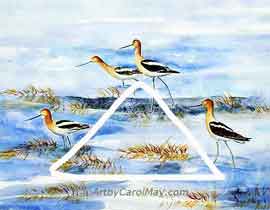 There are basic types of compositions in art paintings, symmetrical and asymmetrical. Most other compositions are variations of these two basic types. See paintings of the common types; S-curve, pyram…